Everything you need to know about
Botox Certification
You want to get your Botox certification, now what? You've decided you want to add aesthetic injectables to your practice or transition into aesthetic medicine entirely. The first question almost every provider asks is: "What's actually covered in a Botox certification course, and how do I know which one is worth my money?" This guide gives you a straight answer.
Why Botox Certification Matters More Than Ever in 2026
Botulinum toxin injections remain the most-requested non-surgical aesthetic procedure in the world, and the market shows no signs of slowing. The non-invasive beauty sector reached $21 billion in 2024 and continues to grow as younger patients embrace preventative treatments and more providers look to expand their service offerings.
But with growth comes competition and scrutiny. Patients are more educated than ever, clinics set increasingly rigorous hiring standards, and malpractice insurers routinely require documented training before extending coverage. A formal Botox certification course isn't just a credential to hang on your wall; it's the foundation of a safe, credible, and financially rewarding aesthetics career.
Who Qualifies for a Botox Certification Course?
Botox training is reserved for licensed healthcare professionals. While eligibility varies by state, most accredited programs accept: Physicians (MD and DO), Nurse Practitioners (NP), Physician Assistants (PA), Registered Nurses (RN), Dentists (DDS and DMD), and Dental Hygienists (RDH) in some states and programs.
Important: A certification course does not replace your state medical license or override your scope of practice. Always verify injectable regulations with your state's licensing board before enrolling or treating patients, as requirements vary significantly by location.
What's Actually Covered in a Botox Certification Course?
Quality programs go far beyond teaching you where to stick a needle. A comprehensive Botox certification course should cover all of the following:
Facial Anatomy and Physiology
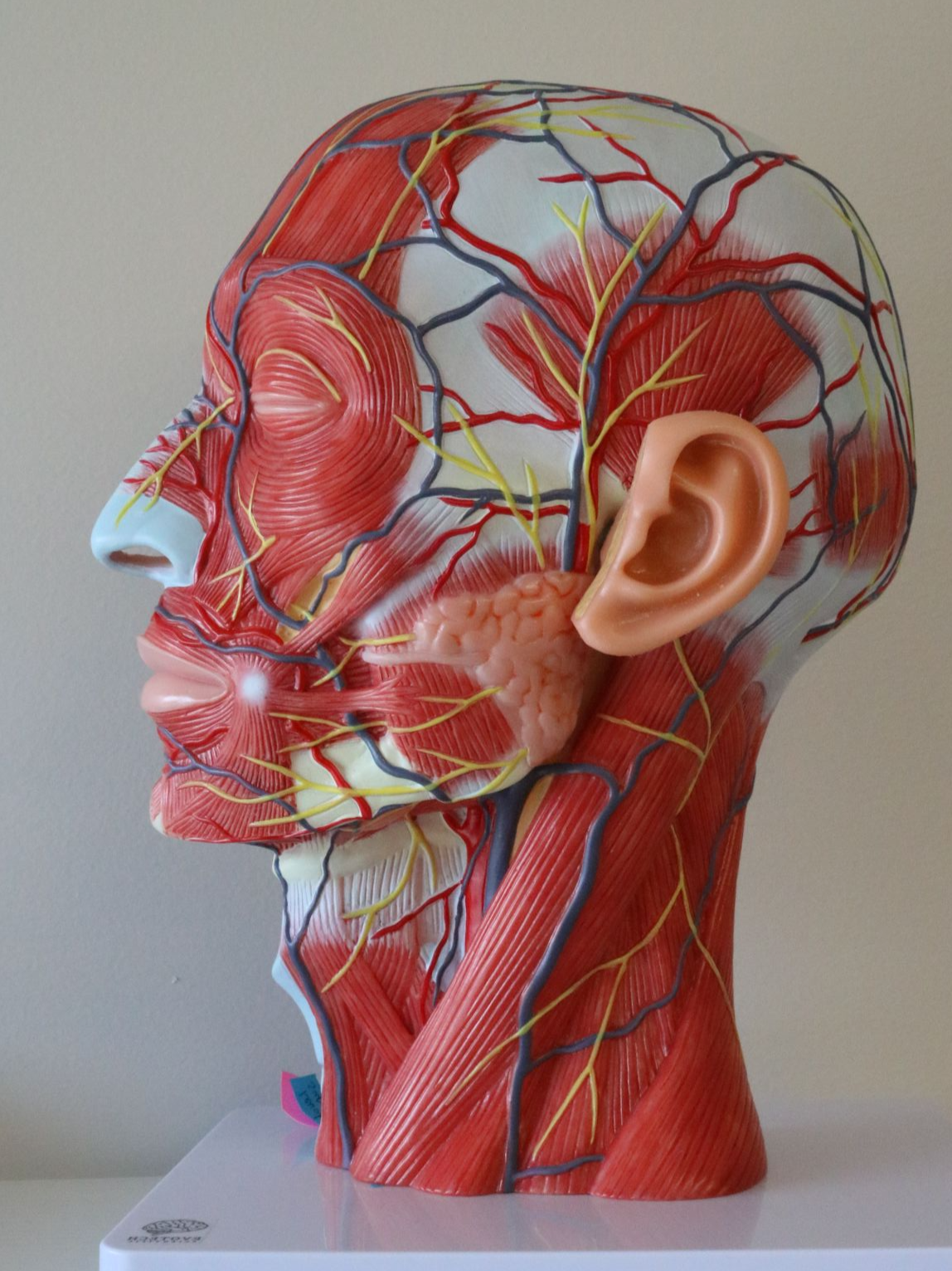
Understanding muscles, ligaments, fat pads, vasculature, and bone structure is the non-negotiable foundation of safe injection practice. You'll learn how to recognize anatomical variations between patients because no two faces are the same, and how those differences affect dosing, technique, and expected outcomes.
Why Botox Certification Matters More Than Ever in 2026
Botulinum toxin injections remain the most-requested non-surgical aesthetic procedure in the world, and the market shows no signs of slowing. The non-invasive beauty sector reached $21 billion in 2024 and continues to grow as younger patients embrace preventative treatments and more providers look to expand their service offerings.
But with growth comes competition and scrutiny. Patients are more educated than ever, clinics set increasingly rigorous hiring standards, and malpractice insurers routinely require documented training before extending coverage. A formal Botox certification course isn't just a credential to hang on your wall; it's the foundation of a safe, credible, and financially rewarding aesthetics career.
Who Qualifies for a Botox Certification Course?
Botox training is reserved for licensed healthcare professionals. While eligibility varies by state, most accredited programs accept: Physicians (MD and DO), Nurse Practitioners (NP), Physician Assistants (PA), Registered Nurses (RN), Dentists (DDS and DMD), and Dental Hygienists (RDH) in some states and programs.
Important: A certification course does not replace your state medical license or override your scope of practice. Always verify injectable regulations with your state's licensing board before enrolling or treating patients, as requirements vary significantly by location.
What's Actually Covered in a Botox Certification Course?
Quality programs go far beyond teaching you where to stick a needle. A comprehensive Botox certification course should cover all of the following:
Facial Anatomy and Physiology
Understanding muscles, ligaments, fat pads, vasculature, and bone structure is the non-negotiable foundation of safe injection practice. You'll learn how to recognize anatomical variations between patients because no two faces are the same, and how those differences affect dosing, technique, and expected outcomes.